






Moka Pot vs Espresso Machine: Which Should You Buy?
Buying Guide · Singapore

Moka Pot vs Espresso Machine: Which Should You Buy in Singapore?
Both brew strong, concentrated coffee, but they are not the same drink and they do not suit the same kitchen. Here is how to pick between them, with real moka pots you can order today.
4-6 mintypical moka pot brew time
1-9cup sizes across our moka pot range
0 barpressure a moka pot needs from mains power
IslandwideDHL Express delivery, Singapore
The short version
- A moka pot brews with steam pressure from a stovetop, producing a strong, concentrated coffee that sits between filter coffee and true espresso. An espresso machine uses a pump (or lever) to force hot water through finely ground coffee at around 9 bar, which is what produces real crema.
- If you want something compact, inexpensive and dishwasher-shelf-friendly for an HDB or condo kitchen, a moka pot is the easier starting point.
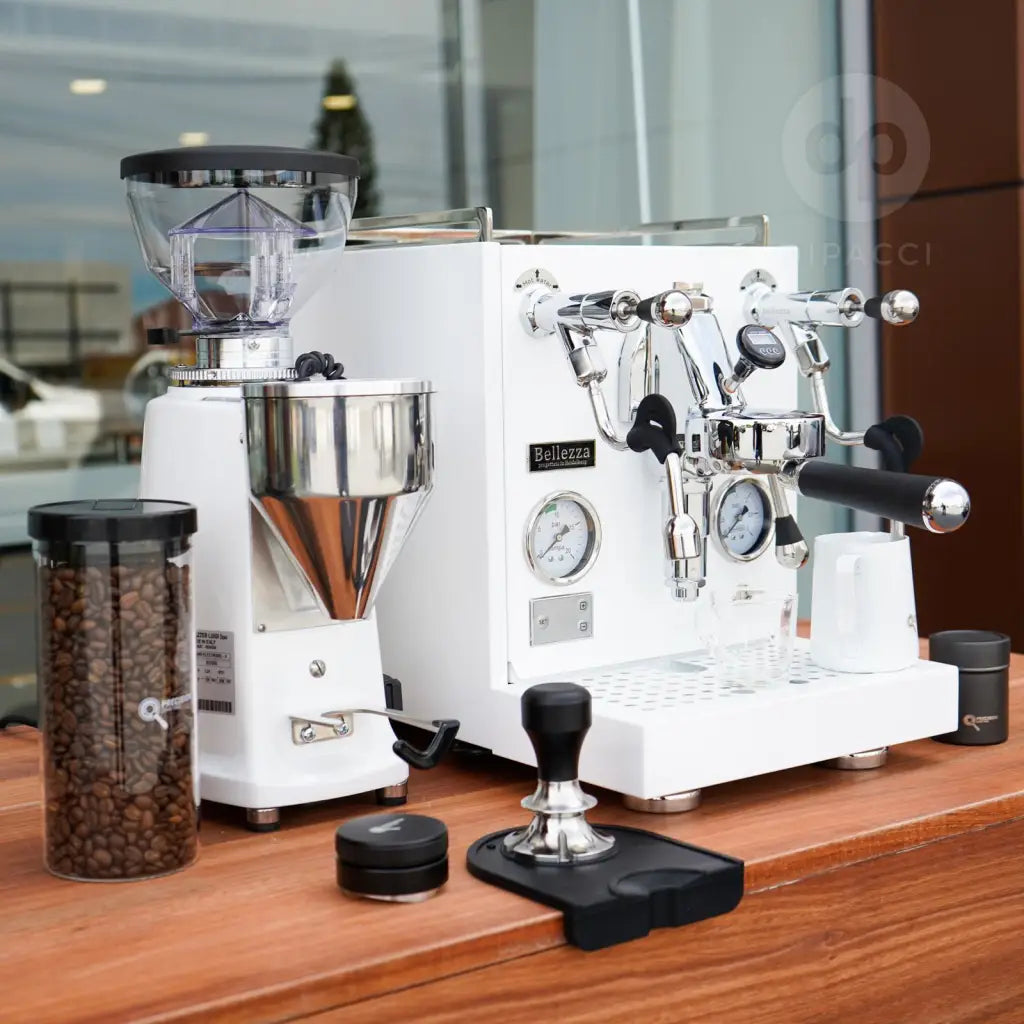
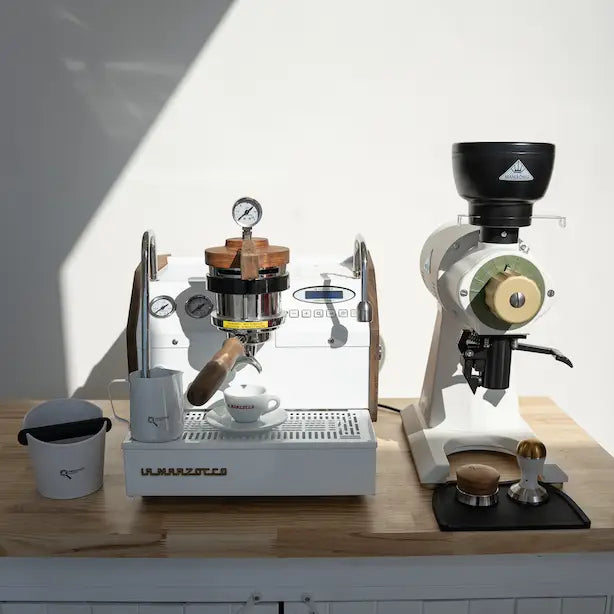
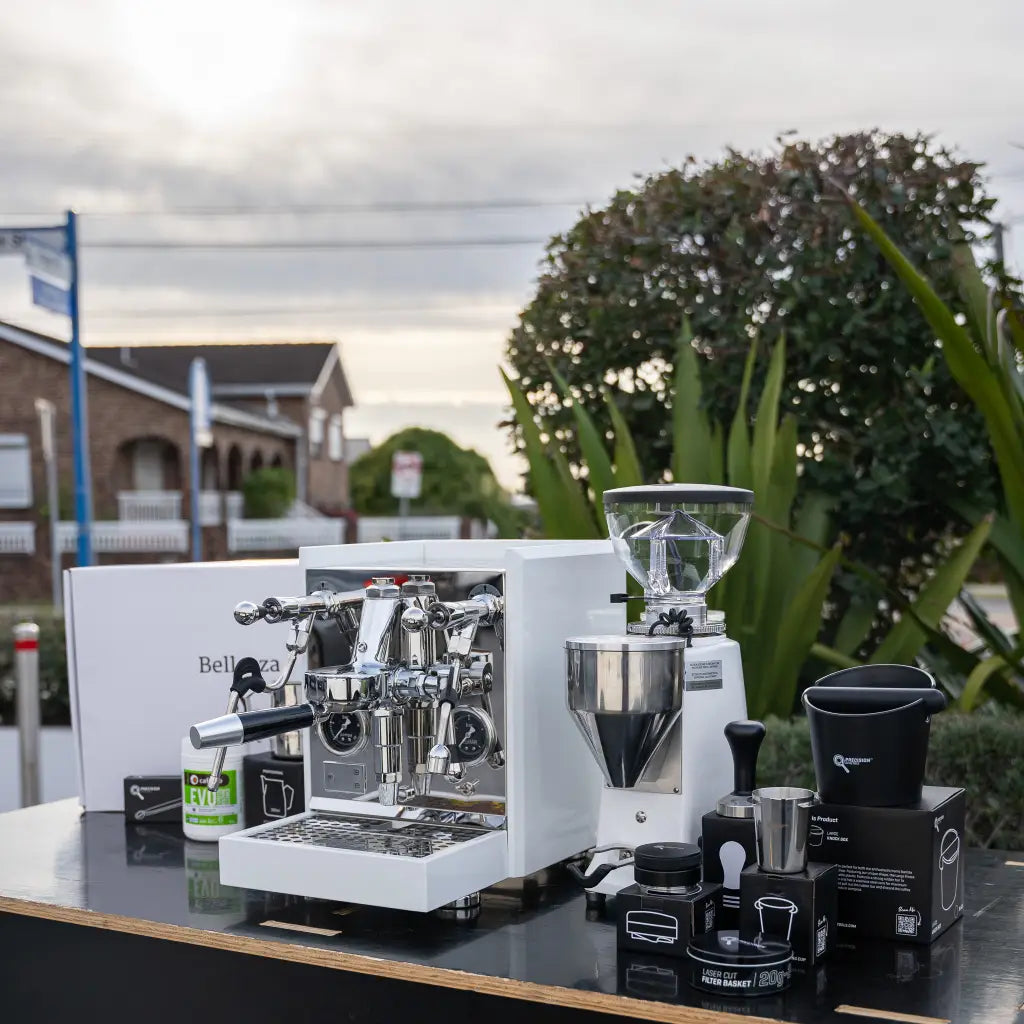
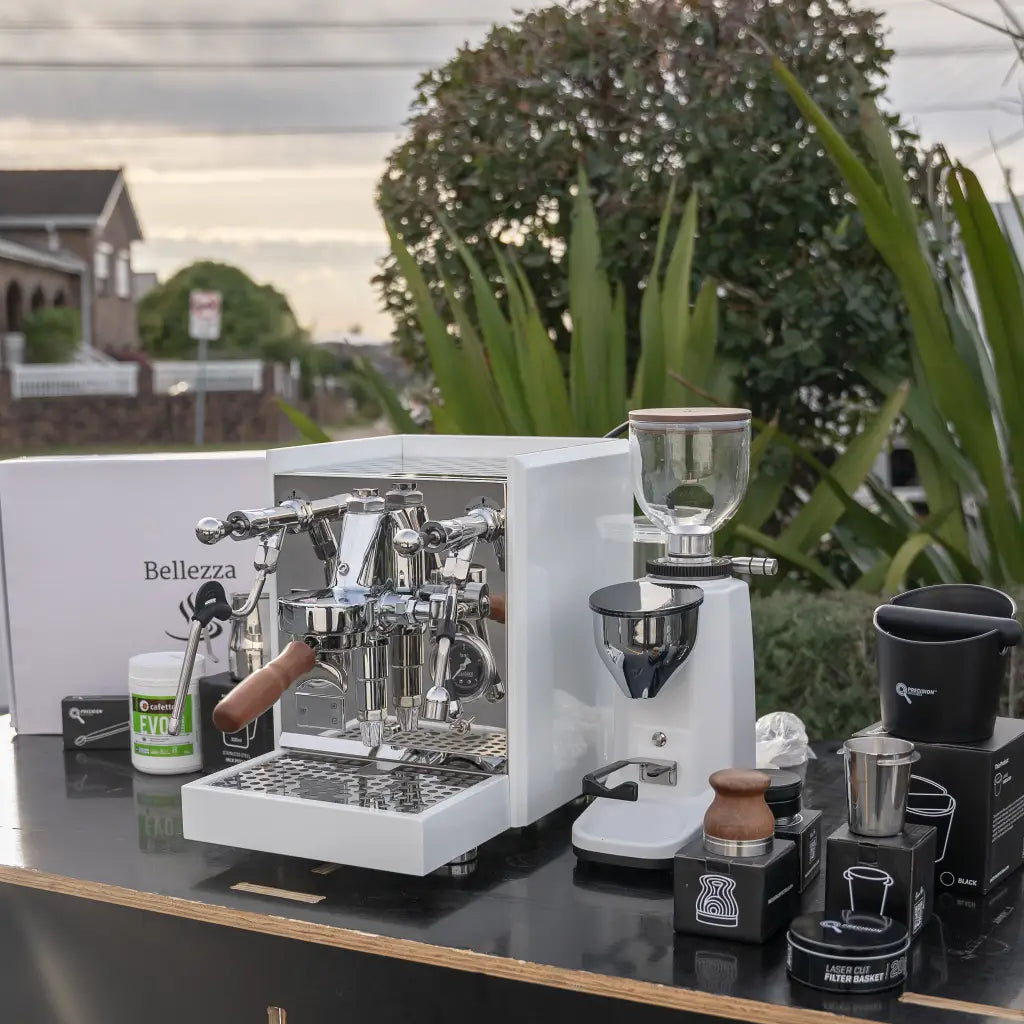
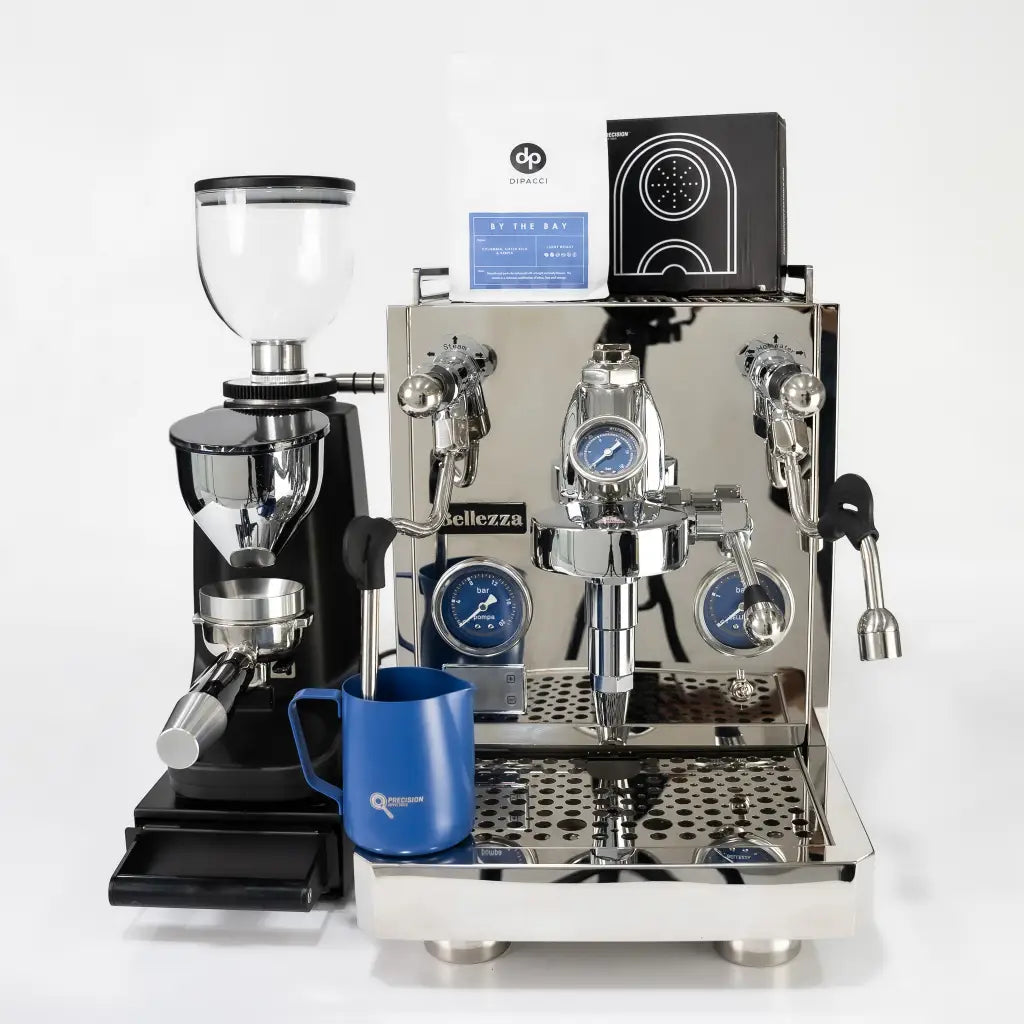
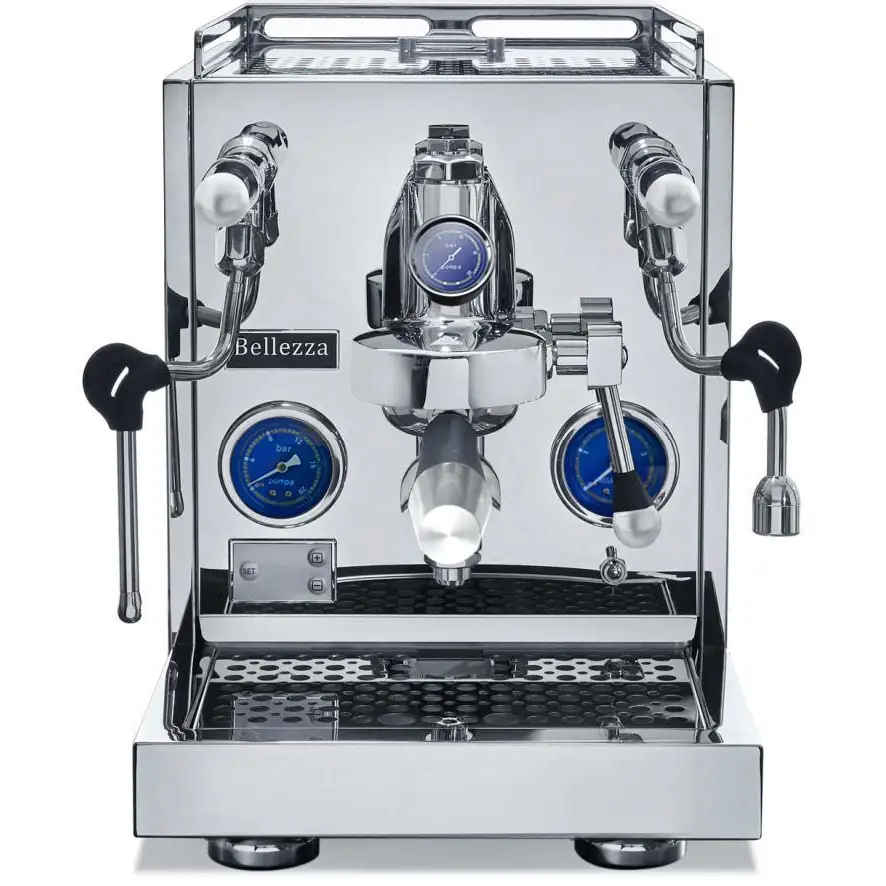
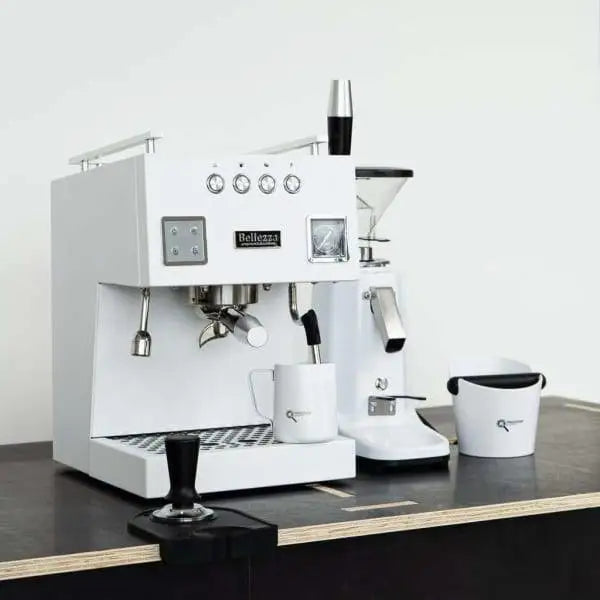
- If you want milk-based drinks, repeatable shots and the full café experience at home, you will eventually want a proper espresso machine.
- Many Singapore households keep both: a moka pot for a fast daily cup, and a machine for weekends or when guests are over.
- Our best-selling moka pots (Pezzetti Italexpress, Bialetti Venus, Bialetti Alpina and Bialetti Brikka) are all below.
In this guide
- What a moka pot actually is
- How it differs from an espresso machine
- Taste, strength and crema
- Upfront and ongoing cost
- Which fits your Singapore kitchen
- Who should buy a moka pot
- Who should buy an espresso machine
- Best moka pots at Di Pacci Singapore
- How to use a moka pot, step by step
- Common moka pot mistakes
- Caring for a moka pot in Singapore's climate
- FAQ
01
What a moka pot actually is
Short answer: a moka pot is a stovetop brewer that uses steam pressure, not a pump, to push hot water up through ground coffee. No electricity, no boiler, no plumbing.
A moka pot (also called a stovetop espresso maker, or by Bialetti's original name, the Moka Express) has three chambers. Water sits in the base, ground coffee sits in a funnel-shaped filter above it, and the brewed coffee collects in the top chamber. Heat the base on a stove, gas or induction, and as the water boils, steam pressure forces it up through the grounds and into the top. The whole process takes roughly 4 to 6 minutes and needs nothing more than a stove, the pot and your coffee.
It is an Italian household staple for a reason: no power cord, no descaling schedule to think about weekly, and it packs flat into a cupboard. That is also why it is a natural fit for Singapore's smaller kitchens.
02
How a moka pot differs from an espresso machine
Short answer: pressure. A moka pot works at roughly 1 to 2 bar of steam pressure. A proper espresso machine works at around 9 bar, driven by an electric pump. That difference in pressure is what separates "strong coffee" from "espresso".
| Factor | Moka Pot | Espresso Machine |
|---|---|---|
| Brewing pressure | Roughly 1 to 2 bar, from steam | Roughly 9 bar, from an electric pump |
| Power source | Stovetop (gas, electric, induction with the right base) | Mains electricity |
| Crema | Minimal to none | Yes, when dialled in correctly |
| Milk drinks | Not without a separate steamer or jug | Yes, with a steam wand |
| Grind size needed | Medium-fine | Fine, consistent, usually needs a dedicated espresso grinder |
| Typical upfront cost | Lower | Higher |
| Counter space (HDB/condo) | Minimal, stores in a cupboard | Needs a permanent spot and power point |
| Cleanup | Rinse and air dry | Backflush, portafilter clean, periodic descale |
03
Taste, strength and crema
Short answer: moka pot coffee is strong and full-bodied, closer to a dark, concentrated filter coffee than true espresso. It is not a substandard espresso, it is a different drink.
Because a moka pot runs at lower pressure than a pump-driven machine, it cannot pull the same thin layer of crema that defines a true espresso shot. What it does produce is a dense, full-flavoured coffee with more body than drip or pour over, and a flavour profile many people describe as rounder and less acidic than filter coffee. Some grounds sediment is normal in the cup, which is part of the character rather than a flaw.
If your goal is milk texturing for a flat white or latte, you will still need a separate milk steamer or a stovetop frothing jug alongside a moka pot. An espresso machine with an integrated steam wand does both in one appliance.
04
Upfront and ongoing cost
Short answer: a moka pot is the cheaper way into strong, espresso-adjacent coffee at home, both to buy and to run.
Current SGD pricing is shown on each product page, but as a rule of thumb, a quality moka pot sits well below the cost of even an entry-level espresso machine, and there is no ongoing cost beyond coffee and the occasional replacement gasket. An espresso machine adds the cost of the machine itself, usually a dedicated grinder to get a consistent fine grind, and periodic descaling products suited to Singapore's treated tap water.
That does not make a moka pot "the budget option" in a negative sense. For a huge number of households it is simply the right tool: strong coffee, low cost, almost no maintenance.
05
Which fits your Singapore kitchen
Short answer: if bench space is tight, as it often is in an HDB or condo kitchen, a moka pot wins on practicality alone.
A moka pot needs a stove and a cupboard. An espresso machine needs a permanent spot on the counter, a power point nearby, and ideally a grinder beside it. If you are in a smaller kitchen, or if your stove is the one fixed resource you always have (gas or induction), a moka pot slots in without reshuffling anything. It is also the better pick for travel, for a second home, or for a simple office pantry setup.
Singapore's humidity is worth a mention here too. Whichever you choose, store your coffee beans in an airtight container away from the stove, and grind only what you need for that pot. Beans left in a humid kitchen lose freshness faster than in a drier climate.
06
Who should buy a moka pot
- You want strong coffee without the learning curve of dialling in espresso shots
- Your kitchen has limited bench space
- You drink black coffee or coffee with a splash of milk, not milk-heavy drinks
- You want something that still works if the power is out, as long as you have a flame
- You are buying a first coffee setup, or a backup for travel
- You would rather spend on good beans than on equipment
07
Who should buy an espresso machine
- You drink flat whites, lattes or cappuccinos regularly
- You want true espresso with crema, not a concentrated filter-style cup
- You are happy to also budget for a dedicated grinder
- You have a permanent spot on the counter and a nearby power point
- You want repeatable results you can fine-tune over time
- You are building a home setup closer to café quality
If this sounds like you, our Coffee Machine Buying Guide walks through choosing between entry-level and prosumer machines.
08
Best moka pots at Di Pacci Singapore
Short answer: start with the Pezzetti Italexpress if you want the classic, affordable aluminium pot. Step up to the Bialetti Venus or Alpina for stainless steel and induction compatibility, or the Bialetti Brikka if you want the closest thing to crema a moka pot can produce.
1
Classic Pick
Pezzetti Italexpress
The traditional Italian stovetop design in durable aluminium, built for everyday brewing. A straightforward, no-frills pot for anyone starting out.
Best for: first-time buyers who want the classic moka pot experience at the lowest entry cost.
View Pezzetti Italexpress →
2
Induction Friendly
Bialetti Venus
Built entirely from 18/10 stainless steel, including the internal parts, with an ergonomic counterweighted handle. Works on gas, electric and induction stoves (2 cup size excluded from induction).
Best for: induction kitchens and anyone who wants a stainless steel pot that will not pit or corrode over time.
View Bialetti Venus →
3
Design Edition
Bialetti Alpina, 3 Cup
A special edition built on the classic octagonal Moka Express shape, with the same inspectable, easy-to-clean valve and filter. Compatible with gas, electric and induction hobs when paired with a Bialetti induction plate.
Best for: fans of the original Bialetti design who want something a little different on the shelf.
View Bialetti Alpina →
4
Crema-Style
Bialetti Brikka, Black
Cast aluminium construction with an innovative pressure valve that holds back brewing until optimum pressure is reached, producing a smoother cup with a layer of crema closer to true espresso than a standard moka pot. Induction suitable, makes up to 4 espresso cups.
Best for: moka pot drinkers who miss crema and want the closest stovetop alternative.
View Bialetti Brikka →See the full range, including replacement seals and filters for every size, in our Moka Pot collection and our dedicated Bialetti collection.
09
How to use a moka pot, step by step
Short answer: fill with water to the valve, fill the funnel with medium-fine ground coffee without tamping, assemble, and heat gently until it stops gurgling.
- Fill the base with water up to (not above) the safety valve
- Insert the funnel filter and fill it with medium-fine ground coffee
- Level the grounds gently, do not tamp or compress them
- Screw the top chamber on firmly, it should be snug but not forced
- Place on a low to medium flame or induction setting, lid open
- Listen for the gurgling sound that signals brewing is finished
- Remove from heat immediately to avoid a burnt, over-extracted taste
- Stir the coffee in the top chamber before pouring to even out the flavour
If you are using gas, keep the flame no larger than the base of the pot. A flame that licks up the sides heats unevenly and can scorch the handle.
10
Common moka pot mistakes
- Tamping the grounds. A moka pot relies on steam passing through loose coffee. Tamping like you would for espresso blocks the flow and can cause pressure to build in the wrong place.
- Using too fine or too coarse a grind. Espresso-fine grounds can clog the filter, while a coarse filter grind under-extracts. Aim for a medium-fine grind, slightly coarser than true espresso.
- Leaving it on the heat too long. Once the gurgling sound starts, the coffee is done. Leaving the pot on the heat scorches what is left in the base and gives a bitter, burnt flavour.
- Overfilling the water chamber. Filling past the safety valve is a genuine safety issue, not just a brewing one. Always fill to the valve line, no higher.
- Washing with detergent. Soap residue affects the next brew's flavour and can strip the pot's natural seasoning. Rinse with hot water only and air dry.
11
Caring for a moka pot in Singapore's climate
Short answer: rinse after every use, air dry fully before storing, and replace the rubber gasket every few months.
Singapore's humidity means anything left even slightly damp in a cupboard is slower to dry and more prone to a musty smell. Always air dry a moka pot fully, ideally upside down with the pieces separated, before putting it away. Avoid sealing it in an airtight container while still damp.
The rubber gasket inside the top chamber wears out with use and heat exposure. A worn gasket is the most common cause of a moka pot leaking from the sides during brewing or taking much longer than usual to finish. We stock replacement seals and filter plates sized to each pot in the Moka Pot collection, so check your current seal's dimensions before ordering a replacement.
Singapore's treated tap water is generally fine for moka pot brewing without a filter, unlike the more involved descaling schedule an electric espresso machine needs. If you do notice mineral buildup over time, a simple rinse with a water and white vinegar solution, followed by several rinses with plain water, keeps the pot brewing cleanly.
12
Frequently asked questions
Is moka pot coffee the same as espresso?
No. A moka pot brews at roughly 1 to 2 bar of steam pressure, while a proper espresso machine uses an electric pump to reach around 9 bar. Moka pot coffee is strong and concentrated, but it does not produce true crema and is technically a different brewing method to espresso.
Can I use a moka pot on an induction stove?
Only if the pot is made for induction, which usually means a stainless steel base or a dedicated induction plate accessory. The Bialetti Venus works on induction in its 4, 6 and 10 cup sizes (the 2 cup size is excluded), and the Bialetti Brikka is induction suitable. Check the individual product page before buying if induction compatibility matters to you.
What grind size should I use for a moka pot?
Medium-fine, similar to table salt and slightly coarser than espresso grind. Too fine a grind can clog the filter and cause pressure to build unevenly, too coarse and the coffee will taste weak and under-extracted.
Do I need a special grinder for a moka pot?
Not necessarily. Pre-ground coffee labelled for stovetop or moka pot brewing works well. If you already grind at home for espresso, dial your grinder slightly coarser for the moka pot setting.
How often should I replace the rubber gasket?
Roughly every three months with regular daily use, or sooner if you notice steam leaking from the sides during brewing rather than only through the valve. We stock gaskets and filter plates sized to each of our moka pots.
Why does my moka pot coffee taste bitter?
Usually one of two things: the pot was left on the heat too long after the gurgling sound started, or the grind is too fine for the pot. Remove from heat as soon as brewing finishes, and coarsen the grind slightly if bitterness persists.
Can a moka pot make milk-based drinks like a latte?
Not on its own. You will need a separate milk steamer or a stovetop frothing jug to texture milk, since a moka pot has no steam wand.
Is a moka pot worth it if I already own an espresso machine?
Many households keep both. A moka pot is faster to set up for a single quick cup, needs no warm-up time, and is a handy backup if your main machine is being descaled or serviced.
Which Di Pacci moka pot should a beginner start with?
The Pezzetti Italexpress is the simplest and most affordable entry point. If you cook on induction, start with the Bialetti Venus instead.
Does Di Pacci deliver moka pots across Singapore?
Yes, all moka pots ship via DHL Express across Singapore. Current SGD pricing and delivery estimates are shown on each product page.
Ready to brew the Italian way?
Shop our full range of moka pots, from the classic aluminium Pezzetti to the stainless steel Bialetti Venus, or browse espresso machines if you are ready for the full café setup.
This guide provides general information for Singapore. Specifications, availability and pricing vary by model, so confirm details on the current product listing before purchase.
- Choosing a selection results in a full page refresh.