





How to Choose a Coffee Machine for Your Cafe
☕ Café Owner's Guide · 2025
How to Choose a Coffee Machine
How to Choose a Coffee Machine
for Your Café
Everything you need to know before investing in a commercial espresso machine — from volume and boiler types to grinders, budget, and the best brands available in Singapore.
⚡ Quick Summary
The right café coffee machine depends on your daily cup volume, space, budget, and menu. For most Singapore cafés serving espresso-based drinks, a 2-group semi-automatic machine with dual boiler paired with a quality commercial grinder is the gold standard. Di Pacci carries commercial machines from La Marzocco, Nuova Simonelli, Sanremo, Faema, and 20+ other top brands — all with local Singapore support.
1
Why Your Coffee Machine Defines Your Café
In Singapore's intensely competitive F&B landscape, coffee quality is no longer a differentiator — it's the baseline. Customers walk in expecting a well-pulled flat white. Your commercial espresso machine is the centrepiece of your entire operation, and the wrong choice can cost you in consistency, downtime, and ultimately, customers.
A quality commercial coffee machine is not just an appliance — it's infrastructure. Like your kitchen fit-out or your POS system, it's a capital investment that shapes your team's workflow, your menu capabilities, and your brand's reputation for years.
The good news: Singapore café owners have access to some of the world's best commercial espresso machines through Di Pacci — and this guide will help you cut through the noise and pick the right one.
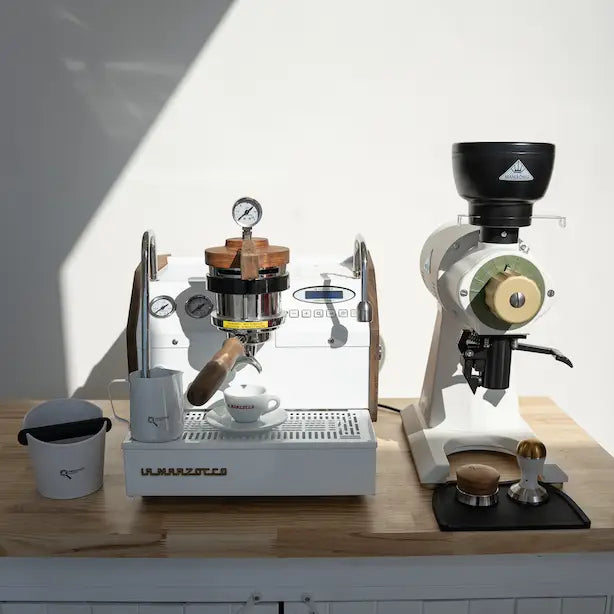
La Marzocco GS3 — the gold standard for serious cafés
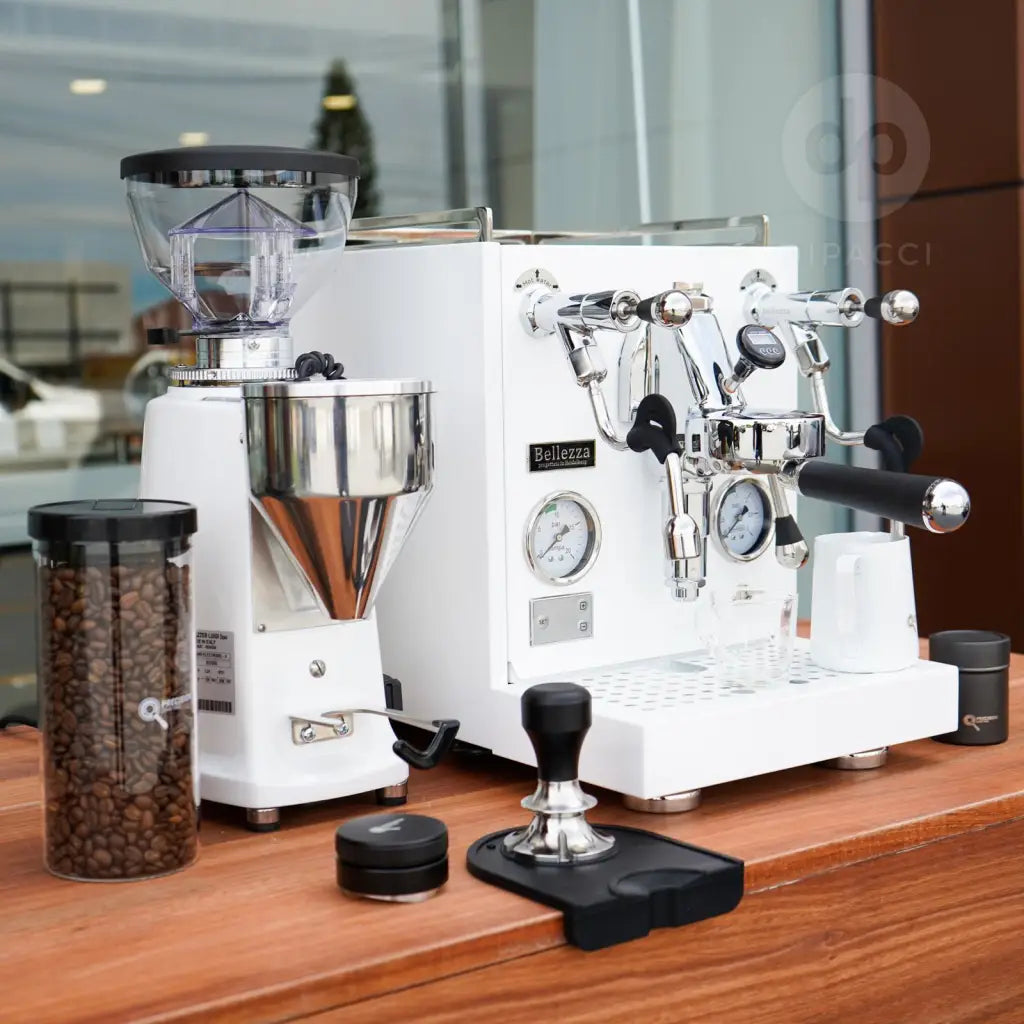
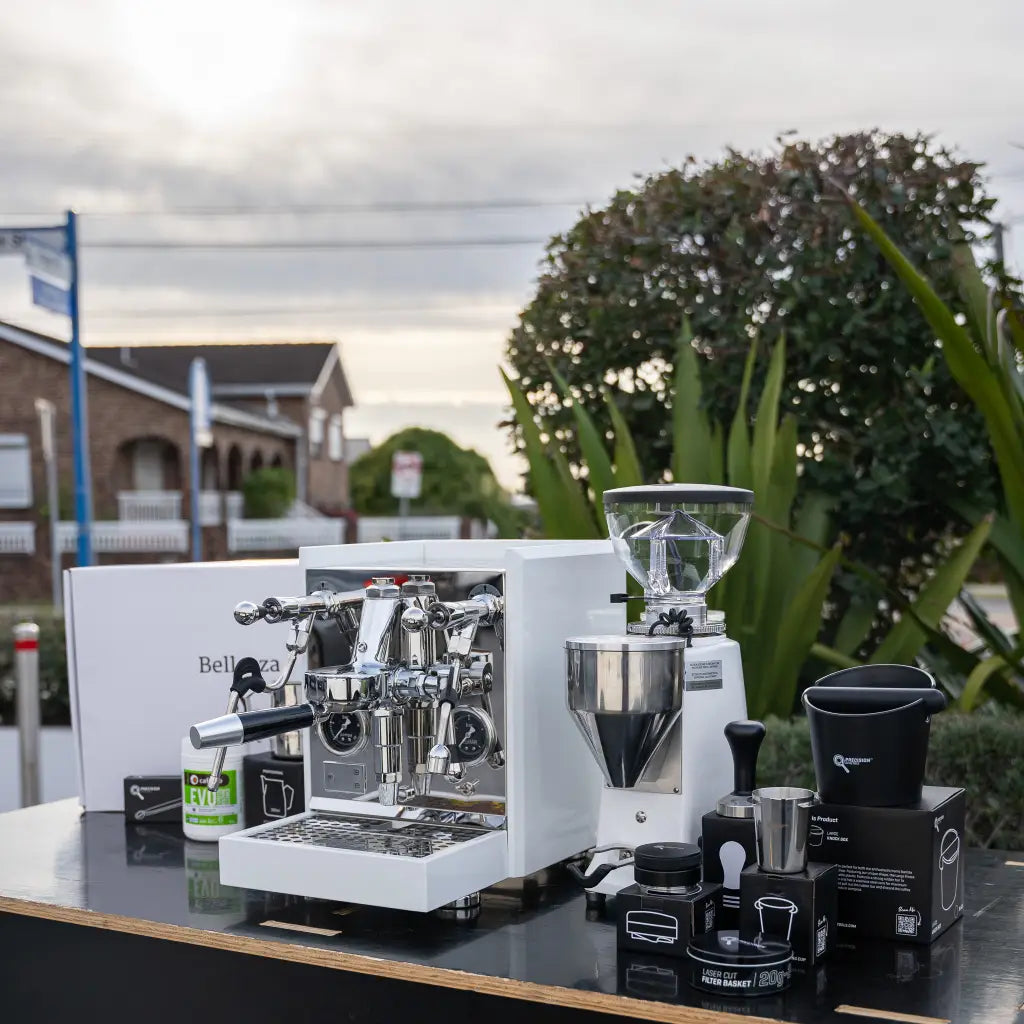
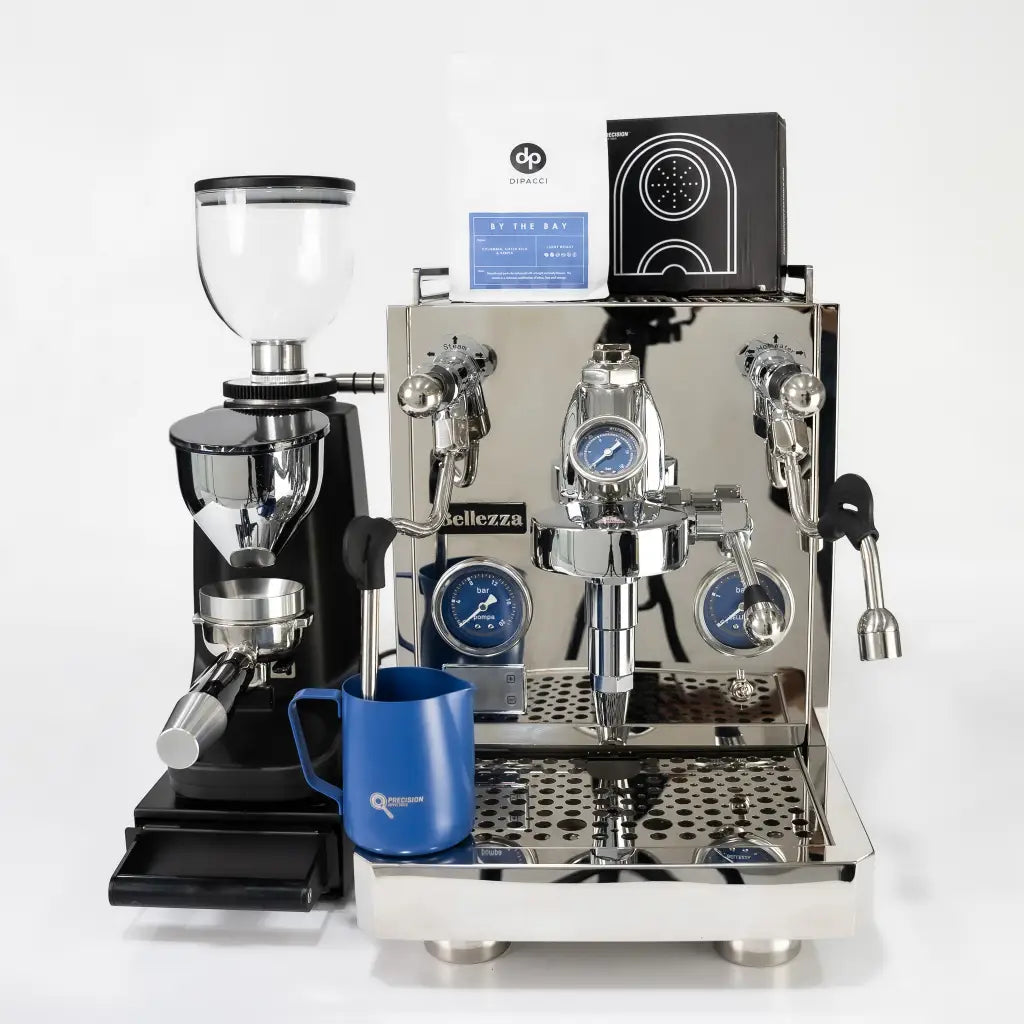
A complete café setup — machine + grinder + accessories
2
6 Key Factors to Consider
Daily Volume
How many cups will you serve per day? This determines whether you need a 1, 2, or 3-group machine. Getting this wrong means either underpowered equipment or wasted capital.
Budget
Commercial machines range from SGD $3,000 to $30,000+. Factor in installation, grinder, accessories, and ongoing maintenance costs. Think total cost of ownership, not just sticker price.
Counter Space
Singapore café spaces are often tight. Measure your counter carefully. A 3-group machine plus grinder can easily require 90–120cm of counter width.
Power Supply
Commercial machines typically require 15–20A or 3-phase power. Confirm your café's electrical capacity before purchasing — upgrades can be costly and time-consuming.
Barista Skill Level
Manual machines deliver the highest quality but demand experienced baristas. If you're training new staff frequently, a more automated machine protects consistency.
Local Service & Support
Downtime costs money. Always buy from a supplier with local Singapore-based technical support. Di Pacci provides local after-sales service for all machines we sell.
3
Choosing by Volume: How Many Cups Per Day?
Volume is the single most important factor when sizing your café machine. Over-specifying wastes capital; under-specifying creates bottlenecks during peak hours. Use this table as your starting point:
| Daily Cup Volume | Recommended Machine | Groups | Typical Venue | Fit |
|---|---|---|---|---|
| Under 50 cups/day | Prosumer / Light Commercial | 1-group | Pop-up, kiosk, small office | Good Fit |
| 50–150 cups/day | Entry Commercial | 1–2 group | Small café, breakfast spot | Good Fit |
| 150–300 cups/day | Mid Commercial | 2-group | Standard café, restaurant | Good Fit |
| 300–500 cups/day | High-Volume Commercial | 2–3 group | Busy café, office building | Plan Carefully |
| 500+ cups/day | Multi-group or Multiple Machines | 3+ group | High-traffic venue, chain outlet | Specialist Advice Needed |
4
Manual vs Semi-Automatic vs Automatic
The level of automation in your espresso machine has a direct impact on consistency, barista workflow, and the quality ceiling of your espresso. Here's what each type means in practice:
Type 01
Manual / Lever Machines
The barista controls every variable — pre-infusion, pressure profiling, and shot timing — entirely by hand. These are the machines used by world-class specialty cafés chasing perfection. La Pavoni and Flair are well-known examples.
Pros
- Maximum control
- Unique cup quality
- Visual showpiece
Cons
- Steep learning curve
- Inconsistent if skill varies
- Slow under pressure
Type 02 · Most Popular
Semi-Automatic Machines
The barista starts and stops the shot manually, but the machine controls pressure and temperature. This is the industry standard for specialty cafés worldwide — and the sweet spot for Singapore café owners who want quality with efficiency.
Pros
- High quality ceiling
- Barista skill rewarded
- Industry standard
Cons
- Requires trained baristas
- Consistency varies
Type 03
Automatic / Super-Automatic
The machine doses, tamps, extracts, and stops the shot automatically. At the super-automatic end, even milk texturing is automated. Ideal for high-volume venues or locations where skilled baristas are hard to find consistently.
Pros
- Excellent consistency
- Faster training
- High throughput
Cons
- Lower quality ceiling
- Less barista craft
- Higher machine cost
5
Boiler Types Explained
The boiler system in your espresso machine determines temperature stability, recovery speed, and how quickly you can pull consecutive shots with steaming. For a commercial environment, this matters enormously during morning peak.
🔥
Single Boiler
One boiler for both espresso and steaming. You must switch between modes and wait for temperature adjustment. Not suitable for a busy café — best for low-volume or home use.
Best for: Home / Kiosk
🔥🔥
Dual Boiler
Separate boilers for brewing and steaming, operating simultaneously at different temperatures. The café standard — allows continuous shot pulling and steaming in parallel for maximum workflow efficiency.
Best for: Most Cafés ⭐ Recommended
♨️
Heat Exchanger
A single large steam boiler with a tube running through it to heat brew water. Near-simultaneous capability at a lower price point than dual boiler. A smart middle-ground for smaller cafés.
Best for: Small–Mid Cafés
6
Budget Breakdown: What Can You Expect to Pay?
Here's an honest overview of commercial coffee machine investment levels in Singapore. Note that the machine is just one part of your total setup cost — budget for grinder, accessories, water filtration, and installation separately.
| Budget Tier | Machine Range (SGD) | What You Get | Typical Brands |
|---|---|---|---|
| Entry Commercial | $3,000 – $6,000 | 1–2 group, heat exchanger or single boiler, reliable workhorse | Expobar, Bezzera, Fracino |
| Mid-Range | $6,000 – $12,000 | 2-group dual boiler, PID, pressure profiling options, excellent reliability | Nuova Simonelli, Sanremo, Faema, ECM |
| Premium | $12,000 – $20,000 | Multi-group, advanced temperature control, flagship café standard | La Marzocco, Victoria Arduino, Astoria |
| Ultra-Premium | $20,000+ | Bespoke craftsmanship, pressure profiling, collector-grade machines | Kees Van Der Westen, La Marzocco KB90 |
💡 Pro tip: Consider Di Pacci's commercial package deals which bundle a machine with a grinder and accessories — often saving you significantly versus buying components separately.
7
Top Commercial Coffee Machine Brands in Singapore
Di Pacci is Singapore's most comprehensive commercial coffee machine retailer, stocking 25+ premium brands. Here are our most popular choices for café owners:
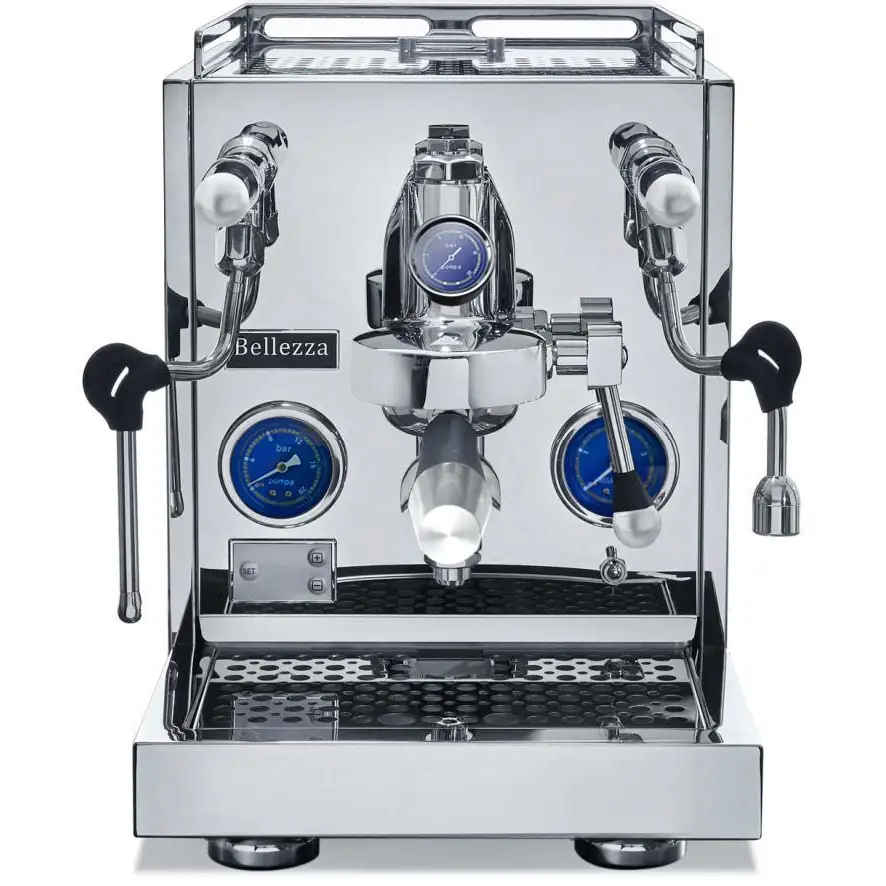
La Marzocco The world's most iconic café machine. Precision Italian engineering since 1927. Nuova Simonelli Official WBC competition machine. Trusted in high-volume cafés globally. Sanremo Italian craftsmanship with stunning aesthetics. Popular in specialty cafés. Faema A legendary Italian brand. The E61 group head was a Faema invention. Astoria Reliable, high-volume commercial machines for busy Singapore cafés. Expobar Excellent value-for-money commercial machines. Great entry point for new cafés. Dalla Corte Innovative multi-boiler technology. A favourite of top specialty roasters. Kees Van Der Westen Ultra-premium, hand-crafted machines. The choice for elite destination cafés. Bellezza Boutique Italian espresso machines with exceptional temperature stability. Fracino UK-made commercial machines. Dual fuel options available for versatile venues.
8
Don't Forget the Grinder
Many café owners invest in a world-class espresso machine, then pair it with an inadequate grinder — and wonder why their espresso is inconsistent. Your grinder is just as important as your machine.
For a commercial café environment, you need a grinder that can:
✓ Maintain consistent grind size under continuous use ✓ Handle heat generated during peak service ✓ Dose accurately and quickly ✓ Offer stepless grind adjustment for dialling in different beans
Top commercial grinder brands available at Di Pacci include Mahlkonig, Mazzer, Eureka, and Anfim. We recommend pairing your machine purchase with a grinder consultation — call us on +65 3159 4538 and we'll help you match the right grinder to your machine and volume.
Or browse our commercial coffee grinders collection directly.
✅ Your Pre-Purchase Checklist
☑ Estimated daily cup volume calculated
☑ Counter space measured (machine + grinder)
☑ Power supply confirmed (amperage / phases)
☑ Water supply and filtration planned
☑ Budget set (machine + grinder + accessories)
☑ Barista skill level assessed
☑ Machine type chosen (semi-auto / auto)
☑ Boiler type chosen (dual boiler recommended)
☑ Number of groups confirmed
☑ Local supplier with after-sales support confirmed
☑ Grinder selected and matched to machine
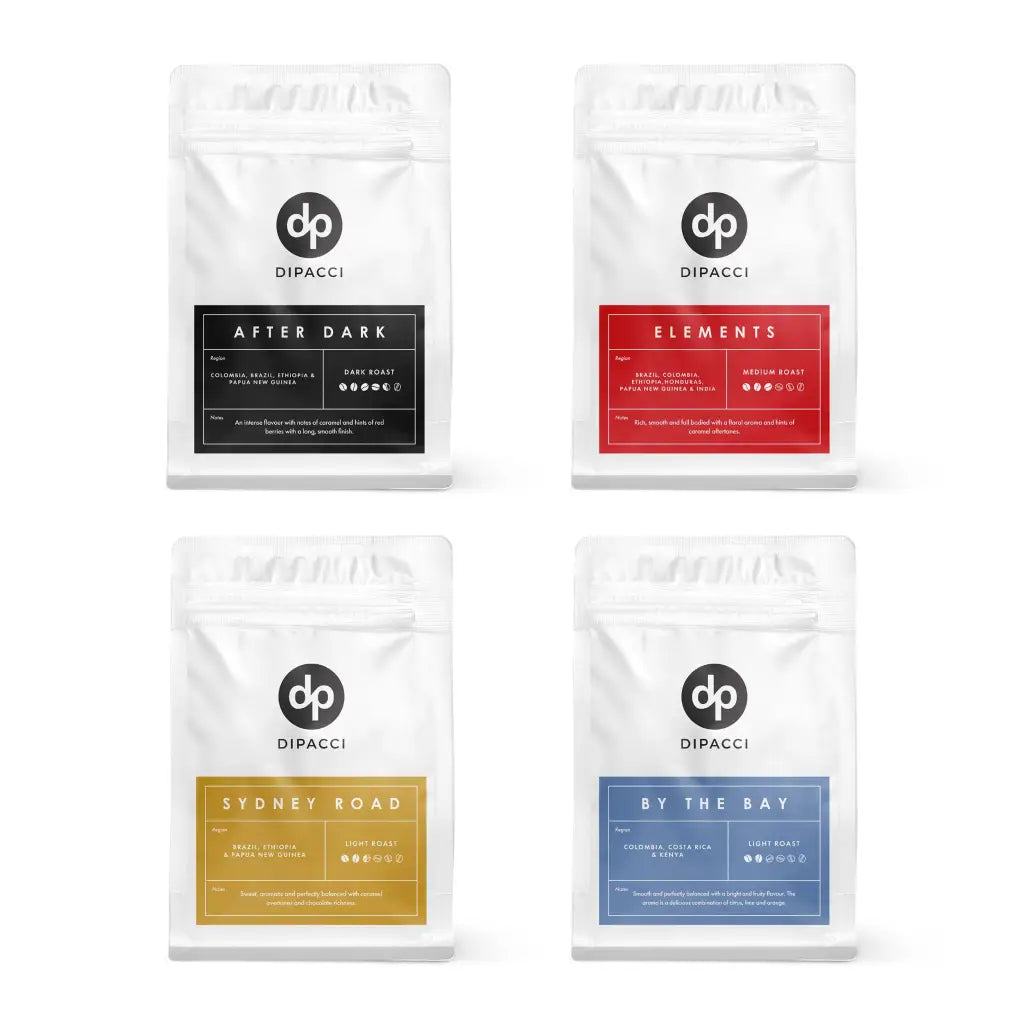
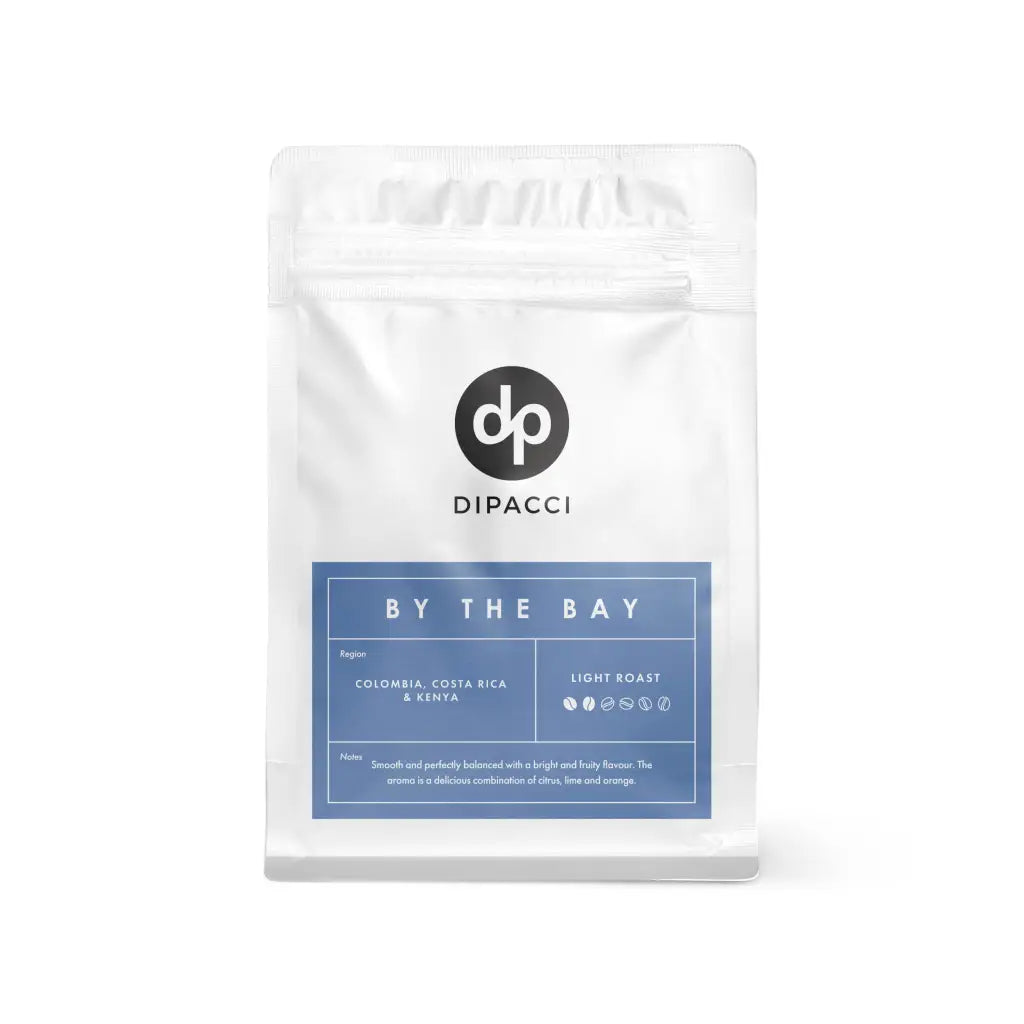
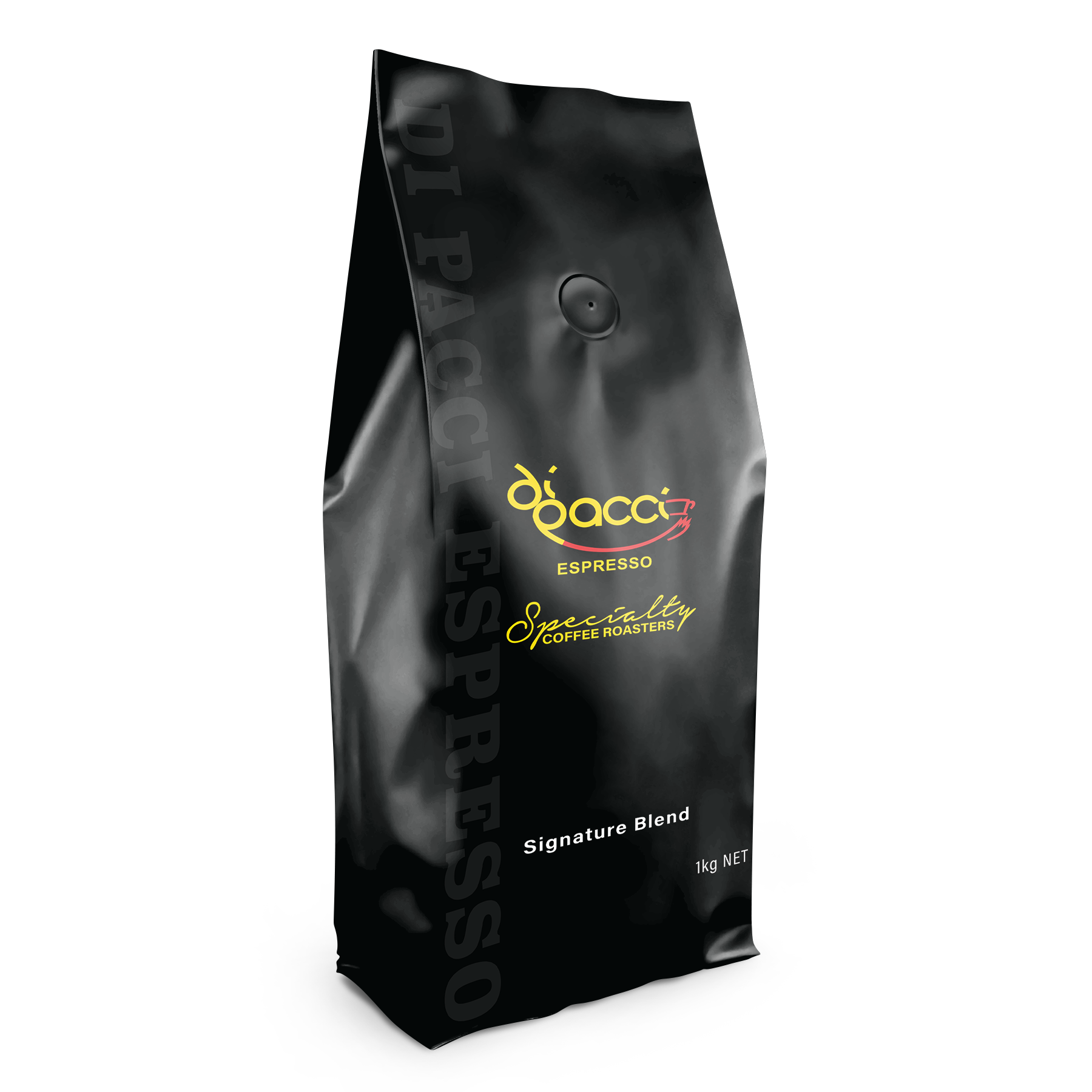
☑ Coffee beans sourced (try Di Pacci's own blends!)
FAQ
Frequently Asked Questions
How much does a commercial coffee machine cost in Singapore?
Commercial espresso machines in Singapore range from SGD $3,000 for entry-level single-group models up to SGD $30,000+ for flagship multi-group machines from brands like La Marzocco or Kees Van Der Westen. Most mid-range café setups budget SGD $8,000–$15,000 for a machine and grinder combined. Di Pacci also stocks pre-owned commercial machines at significantly lower prices.
What size coffee machine do I need for my café?
For a small café serving under 100 cups per day, a 1-group machine is sufficient. For 100–300 cups, a 2-group machine is the industry standard. High-volume cafés serving 300+ cups daily should consider a 3-group machine or multiple machines. If you're unsure, contact our team and we'll help you size correctly based on your business plan.
What is the best commercial coffee machine brand for a café in Singapore?
The "best" depends on your budget, volume, and priorities. La Marzocco is the prestige choice for flagship specialty cafés. Nuova Simonelli offers outstanding reliability and is used in World Barista Championships. Sanremo offers beautiful aesthetics. For value-focused buyers, Expobar and Fracino offer solid commercial performance. Di Pacci stocks all of these — call us for a personalised recommendation.
Can I buy a second-hand commercial coffee machine in Singapore?
Yes. Di Pacci stocks pre-owned and demo commercial machines — these are a great way to access premium brands at a lower price. All our pre-owned machines are inspected before sale. Browse our pre-owned commercial machines collection.
Do I need a 3-phase power supply for a commercial coffee machine?
Not always. Many commercial machines run on a standard 15A or 20A single-phase supply. However, larger 3-group machines typically require 3-phase power. Di Pacci also stocks 10-amp commercial machines for venues with limited power capacity. Always confirm your electrical supply before purchasing.
Does Di Pacci provide after-sales service and maintenance in Singapore?
Yes. Di Pacci provides local Singapore-based support for all machines we sell. We also stock accessories, cleaning products, and replacement parts. Contact us at +65 3159 4538 or support@dipacci.com.sg.
- Choosing a selection results in a full page refresh.